
The short answer: Most Ontario homeowners can tap between 65% and 85% of their home value, depending on your mortgage balance, lender type, and property location.
But the long answer? That’s where things get interesting — and where most homeowners get confused.
This guide breaks it all down in simple terms, using real private-lender math, not bank brochure talk.
Home equity loan options in Ontario
🔍 1. What Determines How Much You Can Borrow?
Home equity lending in Ontario depends on four key factors:
1. Your Home Value
Higher value = more room to borrow.
Private lenders (like Lendworth) confirm value using comparable sales, market data, and sometimes an appraisal.
2. Your Current Mortgage Balance
The lender subtracts what you owe from what your home is worth.
This is your usable equity.
3. Your Loan-to-Value (LTV) Limit
Banks lend up to 65–80% LTV.
Private lenders lend up to 80–85% LTV depending on location and risk.
4. Your Property Type & Location
Some areas (Toronto, Vaughan, Oakville, Richmond Hill) qualify for higher LTV.
Rural + remote areas usually get lower limits.
🧮 2. The Actual Formula (Simple Math)
Here’s exactly how lenders calculate it:
Maximum Borrowing = Home Value × LTV − Existing Mortgage
Let’s say your home is worth: $1,000,000
Private lender max LTV: 80%
You owe: $450,000
$1,000,000 × 80% = $800,000
$800,000 − $450,000 = $350,000 available
✔️ You can borrow about $350,000 tax-free from your equity.
🏡 3. Average Borrow Amounts in Ontario (2025 Data)
From real private-lender files (including Lendworth-style deals):
| Home Value | Typical Available Equity |
|---|---|
| $600,000 home | $100K–$170K |
| $800,000 home | $150K–$250K |
| $1,000,000 home | $200K–$350K |
| $1,500,000 home | $300K–$500K |
| $2,000,000 home | $400K–$700K |
These vary by credit, location & existing mortgages — but this is the real Ontario range.
🏦 4. Bank vs. Private Lender Borrowing Amounts
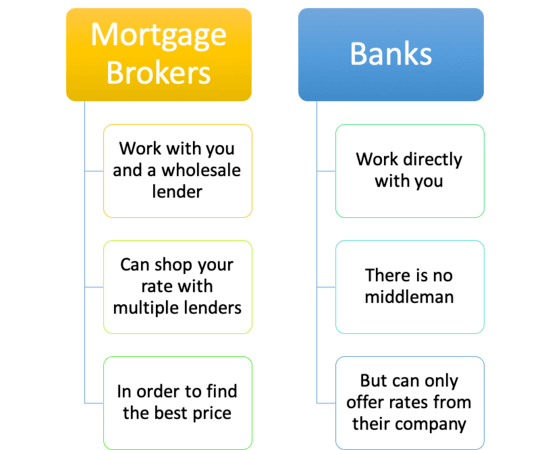
Banks (BMO, RBC, TD)
Max LTV: 65–80%
Slow approvals
Heavy income verification
Strict credit rules
Great rates — if you qualify
Private Lenders (Like Lendworth)
Max LTV: 75–80% depending on city
Same-day approvals
Credit doesn’t matter
Equity-focused
Flexible terms
If you're self-employed, behind on payments, or declined by the bank, private lenders unlock much more borrowing power.
💰 5. What Can Homeowners Use the Money For?
Ontario homeowners tap equity for:
Debt consolidation
High-interest loan payoff
Second mortgages
Home renovations
Investment opportunities
Business cashflow
Emergency expenses
Bridge financing
Stopping Power of Sale
Equity is flexible — you can use it for almost anything.
⚡ 6. Quick “How Much Can I Borrow?” Cheat Sheet
| Situation | Likely Borrow Limit |
|---|---|
| Good credit + bank loan | Up to 80% LTV |
| Bruised credit, bank decline | 75–80% LTV |
| Self-employed, stated income | 75–85% LTV |
| In arrears or behind on taxes | 70–80% LTV |
| Rural / small towns | 60–75% LTV |
🏘️ 7. Property Location Matters
Ontario cities with highest LTV approvals:
Vaughan
Toronto
Richmond Hill
Markham
Mississauga
Oakville
Barrie
Innisfil
Newmarket
Aurora
Small towns & rural areas are typically 5–10% lower.
📈 8. Want the EXACT Number for Your Property?
Generic calculators are useless — they don’t use lender data or real comps.
Lendworth built EquityCheck™ to give a real lender-grade estimate of your home value & usable equity.
👉 Get your free Lendworth EquityCheck™ report now
https://www.lendworth.ca/equity-check
It includes:
✔️ Real comparable sales
✔️ Estimated LTV eligibility
✔️ Maximum borrowing amount
✔️ Lending options
✔️ Personalized recommendations
✔️ Same-day follow-up